

Things to Do in Battambang
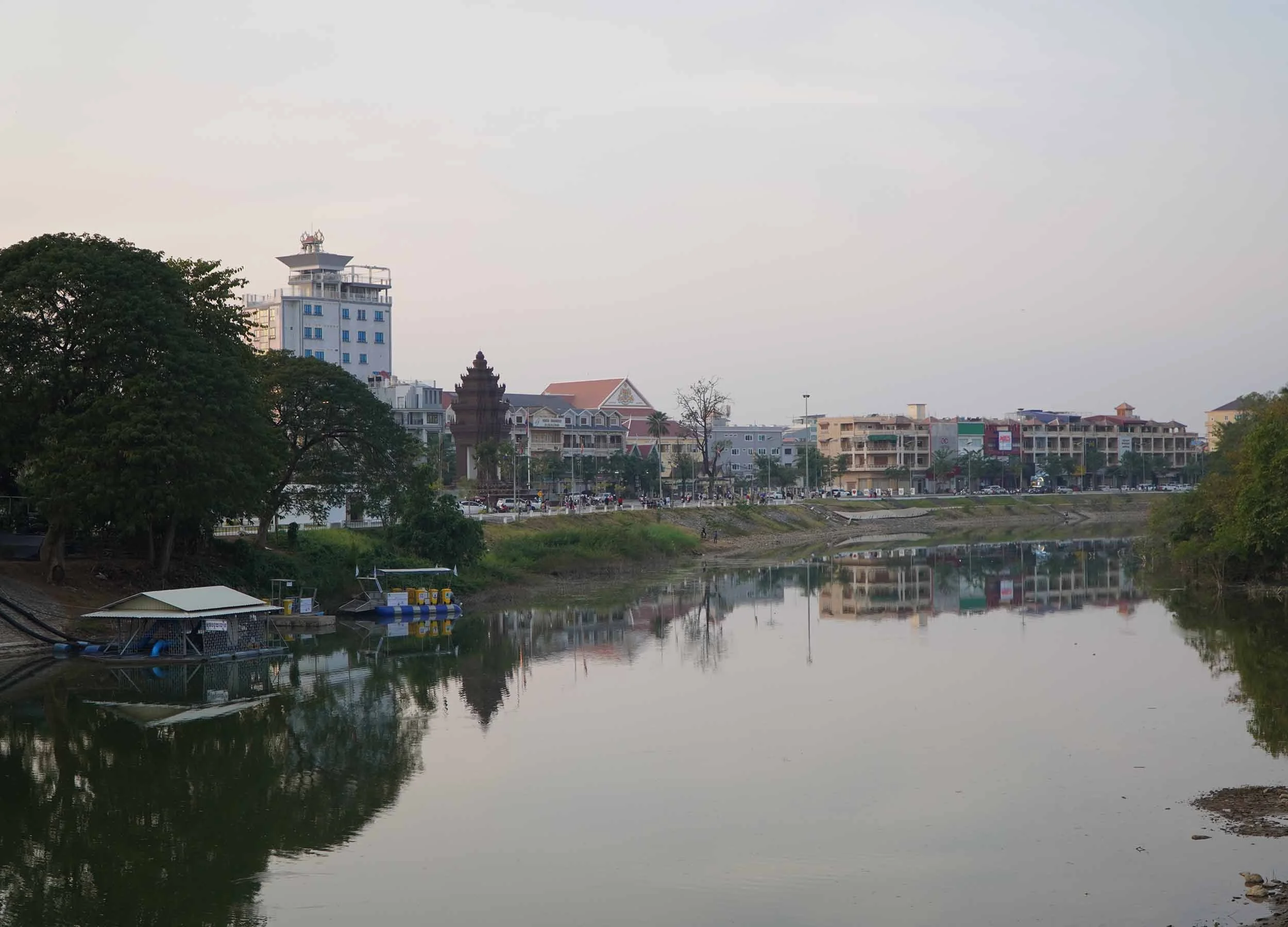
Battambang city
Battambang is a city in the northwest of Cambodia. It is often known as the country’s rice basket, a place where agriculture shapes both the land and the lives of the people. With a population of around one million, Battambang has long been considered one of the main agricultural hubs of Cambodia.
Phnom Penh and Siem Reap are often seen as must-visit destinations, while Battambang is sometimes overlooked. Yet, those who come here often find themselves wanting to stay longer. So
What makes Battambang so special?
The Land That Shapes Everything
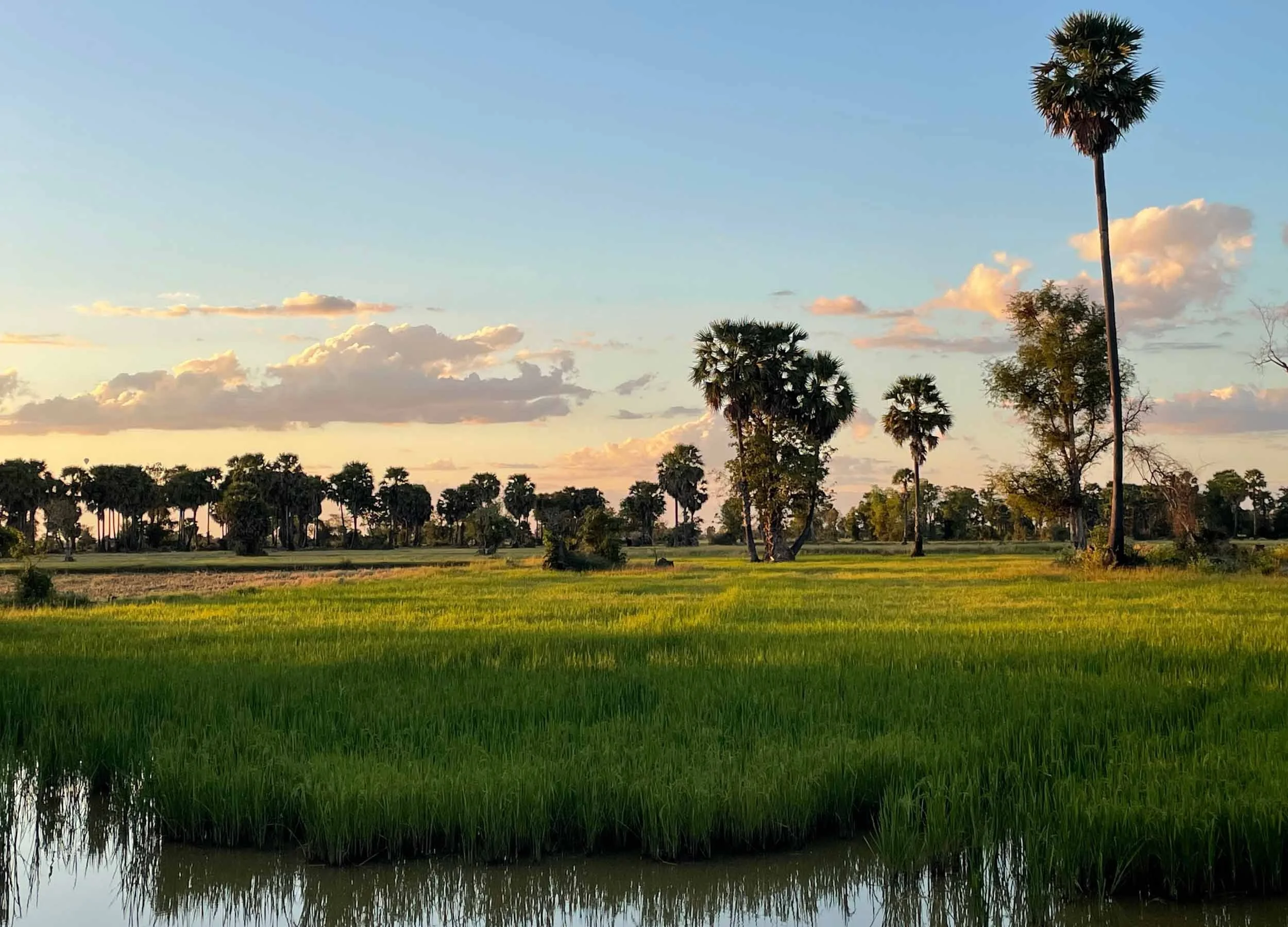
Rice Field
In Cambodia, there is a common saying that almost everything from Battambang is among the best including rice, fruit, even artists, singers and boxers. Many people believe this comes from the quality of the land itself. There is a local expression that says, “Battambang soil is sticky,” meaning the soil is rich and fertile.
This connection to the land can be seen everywhere. Battambang’s geography allows farmers to grow a wide variety of crops such as rice, vegetables, cassava, and fruits such as durian, grapes, and strawberries. The land provides not only food, but also a sense of identity and pride.
Because of its location, Battambang has also become an important link between Cambodia and its neighbors. The National Road 5 connects it to Phnom Penh and to the Thai border, making it part of the everyday movement of goods and people. But beyond trade and transport, this movement also shapes the rhythm of life in the province.
A History Still Alive Today
History in Battambang does not feel distant. It is still present in conversations, in family stories, and in the way people remember and share their experiences.
One of the most well-known stories, passed down from generation to generation, is about the Lord of Battambang. It tells of a powerful man, often known as Lord Chhum, who ruled Battambang before World War I. He controlled the region with absolute power, treating the land as his own property.
People had to pay taxes to use the land, and many were forced to work in his mansion. He lived in a fortified residence, protected by guards and cannons. His rule was strict, and those who went against him were punished.
It is said that families who had daughters, or if he found a beautiful girl himself, were forced to send them to his mansion to work as dancers. Many of these girls later became his wives.
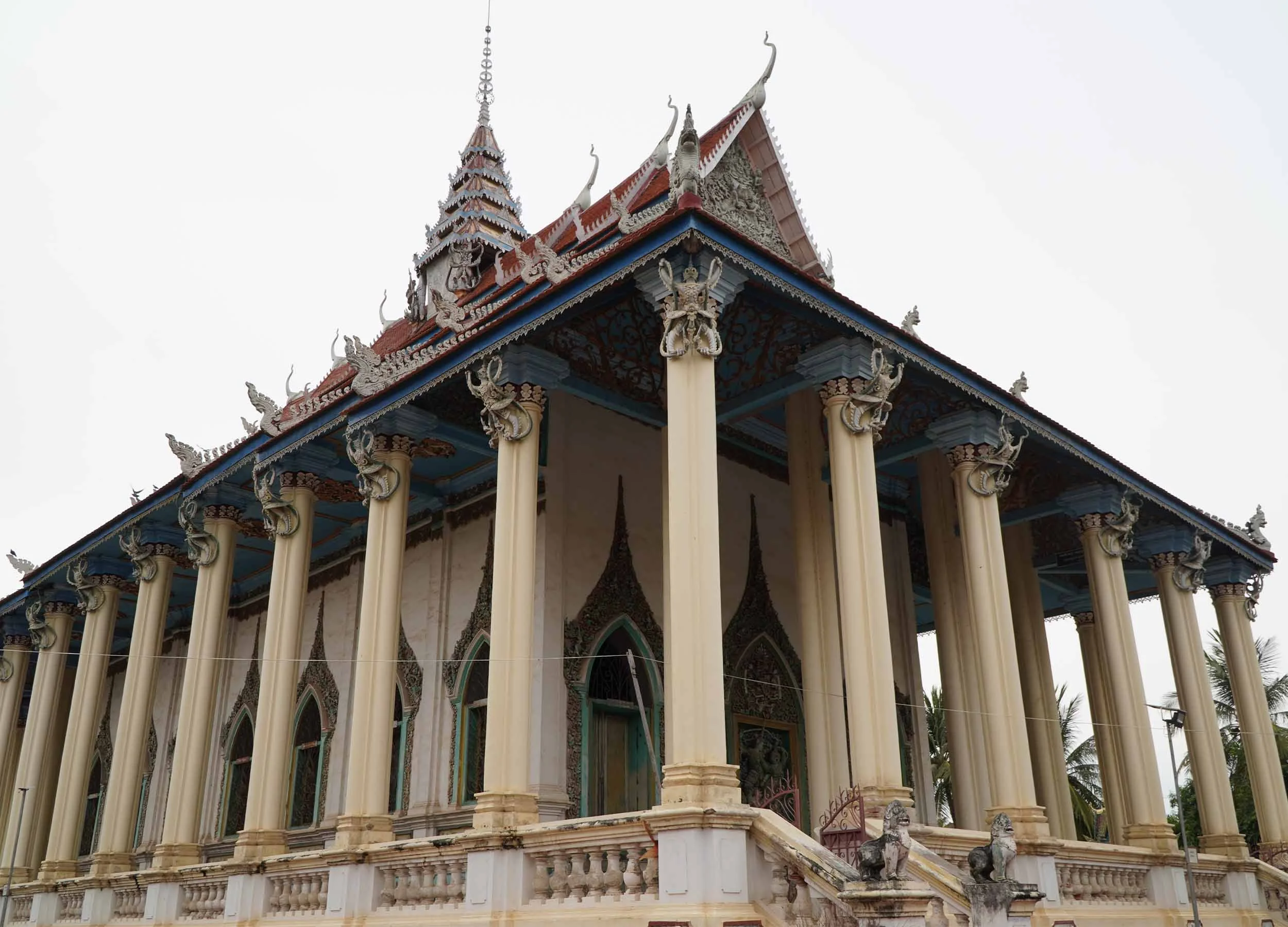
White Elephant Pagoda, Battambang city
Even though he had many wives, he had a deep love for his first wife, Eoung. She did not agree with his actions and believed they would bring bad karma. Over time, she became seriously ill.
Chum prayed for her recovery at Wat Kondeong pagoda, a few kilometers away from Battambang town, and promised to build another pagoda if she recovered. When she became well again, he fulfilled his promise by building a pagoda near his home, named after his white elephant, Domrey Sor. This pagoda was completed in 1904. Today, it is known as the White Elephant Pagoda, a popular place for travelers to visit.
Today, many places in Battambang are still connected to this story. Old pagodas, villages, and even provincial buildings are linked to this history. The story is not only about one man, but about how Battambang was shaped over time.
This history also connects to a larger story. Battambang was once under Thai control from 1795 to 1905. After agreements between Siam and French Indochina, Battambang officially returned to Cambodia. Even through these changes, the identity of Battambang has remained strong.
A Charming City of Art and Music
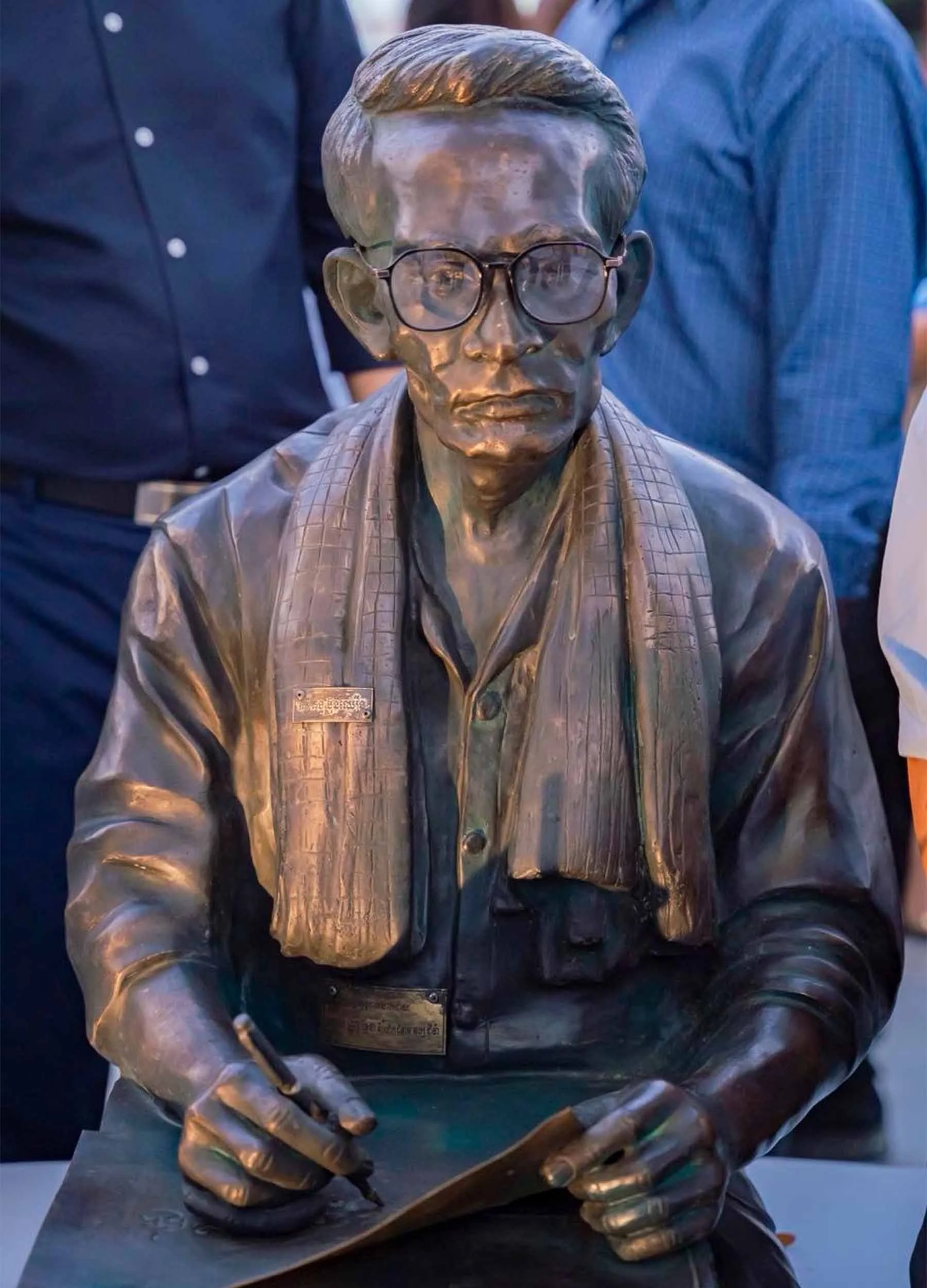
Kon BunChhoeun Statue at a park in Battambang city
Moving from history to culture, Battambang also plays an important role in Cambodia’s artistic identity.
When talking about Cambodia’s golden era, people often think about music. After independence, the country entered a period of modernization, and music developed into one of the greatest eras in its history. From traditional music and royal orchestra to modern songs and rock and roll, everything was growing.
There were popular stars everywhere in Phnom Penh. Sin Sisamouth and Ros Sereysothea were known as the golden voices of Cambodia. Their songs were loved across the country.
Battambang also contributed to this cultural richness. A well-known writer and artist, Kong Bunchhoeun, was from Battambang. He loved his hometown deeply and expressed its beauty through his poems.
Living in a pagoda near the Sangke River, he wrote many romantic love poems inspired by the scenery around him. His poems often spoke about quiet love and personal feelings—something many young people could relate to at that time.
At that time, Sin Sisamouth created an opportunity for his fans. He invited them to send him poems, and he would select some to turn into songs. Kong Bunchhoeun, along with many students and writers, was excited by this idea and sent his work.
Sin Sisamouth loved his poems, and many times he chose them for his songs. This was also connected to his personal relationship with Battambang, where he had lived for several years before moving to Phnom Penh.
The songs he sang became very popular. They were not just music—they carried stories, emotions, and memories. Through these songs, Battambang became like a stage where love stories were quietly expressed along the Sangke River.
Through their talent, these two artists helped shape Battambang into a place filled with romantic imagination for young people at that time. Many people wished to visit Battambang at least once, to see the Sangke River—known as a river of love stories.
Even today, songs like Romdual Dong Steung Sangke, Anussavry Khnong Phnum Sampov, and Mekea Phnom Penh Doung Dara Battambang continue to inspire people to visit these places. Through music, Battambang became not only a place, but also a feeling.
A City of History, Art, and Slow Travel
When we travel, we often search for things to do, places to check off, and activities to fill our time. But sometimes, this way of traveling can leave us feeling tired and disconnected.
Battambang offers a different experience. This is not a city built for tourism, and that is what makes it special. There is no pressure to rush or to see everything. Instead, Battambang invites you to slow down and be present.
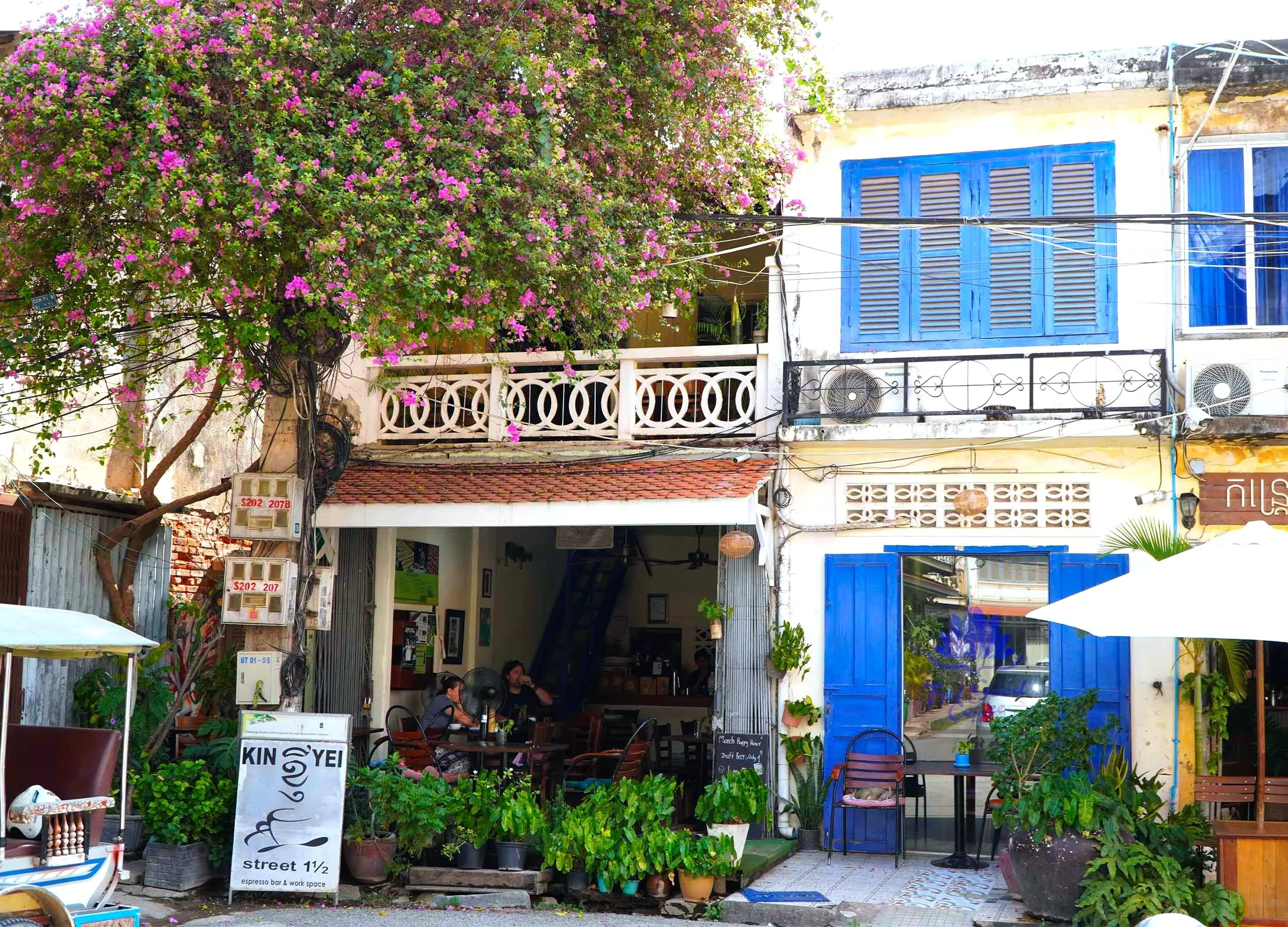
Kinyei Cafe, Battambang city
Some places may look simple because they are not famous online, but they carry deep stories. These are not always the stories shared on social media, but they are the ones that people here are proud of.
Battambang is a place for human connection and meaningful experiences. You can start your morning at a local market, watching daily life unfold. Sit in a small café, enjoy a simple coffee, and observe the surroundings.
In the afternoon, walk through old pagodas, explore quiet streets, and stop for local food along the way. Let curiosity guide you, not a strict plan.
In Battambang, the most meaningful experience is not about doing more. It is about feeling more. This is what makes Battambang different. Here, you do not just visit. You belong, even if only for a day.