

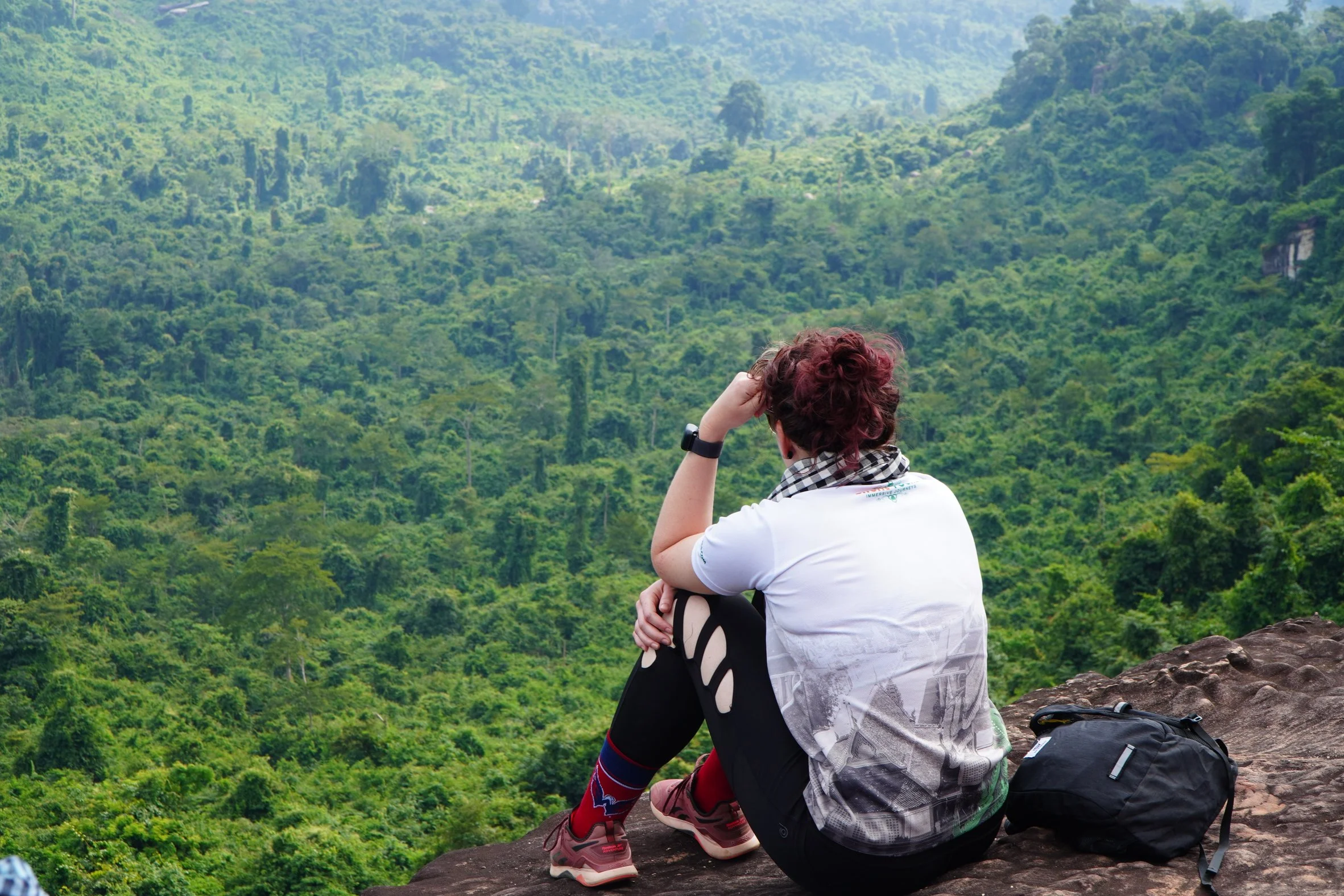
Environmental friendly Travel
Currently the globe is facing environmental issues that are caused by increasing demands and the development around the world. Industries, the fast improvement of technology, mining and the garbage that is being produced from households across the globe are polluting the global environment seriously. This pollution causes climate change, air pollution, water pollution and increasing the amount of plastic in the oceans.
Do you know that traveling and travel activities can also cause harm to the environment if you don’t care so much about this issue ?
“ _ A study conducted by University of Sydney said tourism carbon dioxide emissions footprint is 8% of the carbon that is being produced around the world. Around 4.3 billion tons of carbon dioxide is being emitted by the travel industry ”.
The carbon emission footprint in tourism is being produced from
Transportation : 49%
Goods : 12%
Food and Beverage : 10%
Agriculture : 8%
Service : 8%
Lodging : 6%
Construction and Mining : 6%
Others : 1%

How to travel as an environmentally friendly traveler ?
Responsible Tourism standard is the popular traveling model that is accepted by the global tourism organisation to be the travel model that is impacts for the environment. Responsible tourism cultivates positive impact to the environment, community, community economic and cultural heritage for the community that are visiting while minimising the negative impact.
“_ Make better place for people to live in, Make a better place for people to visit_ ”
Skual Tours is practising responsible tourism model with a simple mission: to create meaningful connections between our guests and the local communities we work with. To protect our environment, our tours are carefully designed to minimise carbon emissions by offering walking tours and shared Tuk-Tuk rides, keeping traveler out of big, carbon-heavy tour buses. We also skip imported foods shipped on planes, choosing instead to take our guests to local restaurants that use fresh ingredients grown right here in Battambang by local farmers. True sustainability is about more than just carbon, it is also about social inclusion, and by training and working with local student guides and village communities, we fulfill the World Travel & Tourism Council’s (WTTC) core mission of using travel to empower youth and protect community wealth.
Below is our contribution to promote responsible travel. We want to share some recommendations that we think are best to enhance a slogan: “make a better place to live and a better place to visit.”
Travel Responsibly
Transportation : you can always be a green traveler who cares about the impact of your traveling, especially considering which transportation you are gonna choose to bring you to the destination you are going to visit. From the moment you leave home you are actually creating carbon dioxide more than your usual day already. Think about how to minimize your carbon footprint when you are on holiday.
Avoid the transportation that produces more carbon emissions such as taking private cars or taking private flights. It is more expensive and more carbon dioxide will be produced because it creates the same amount of carbon emitted when the car or plane has full passengers.
Try to avoid taking flight during your holiday as much as possible. It is better to set a travel plan by traveling only to the countries that share the borders with your first destination that you have already been to so you can cross one country to another by public bus or train.
Taking public transportation while you are traveling in a region such as taking Tuk Tuk, sharing a taxi or bus or train. This way can reduce the carbon footprint from your traveling trip.
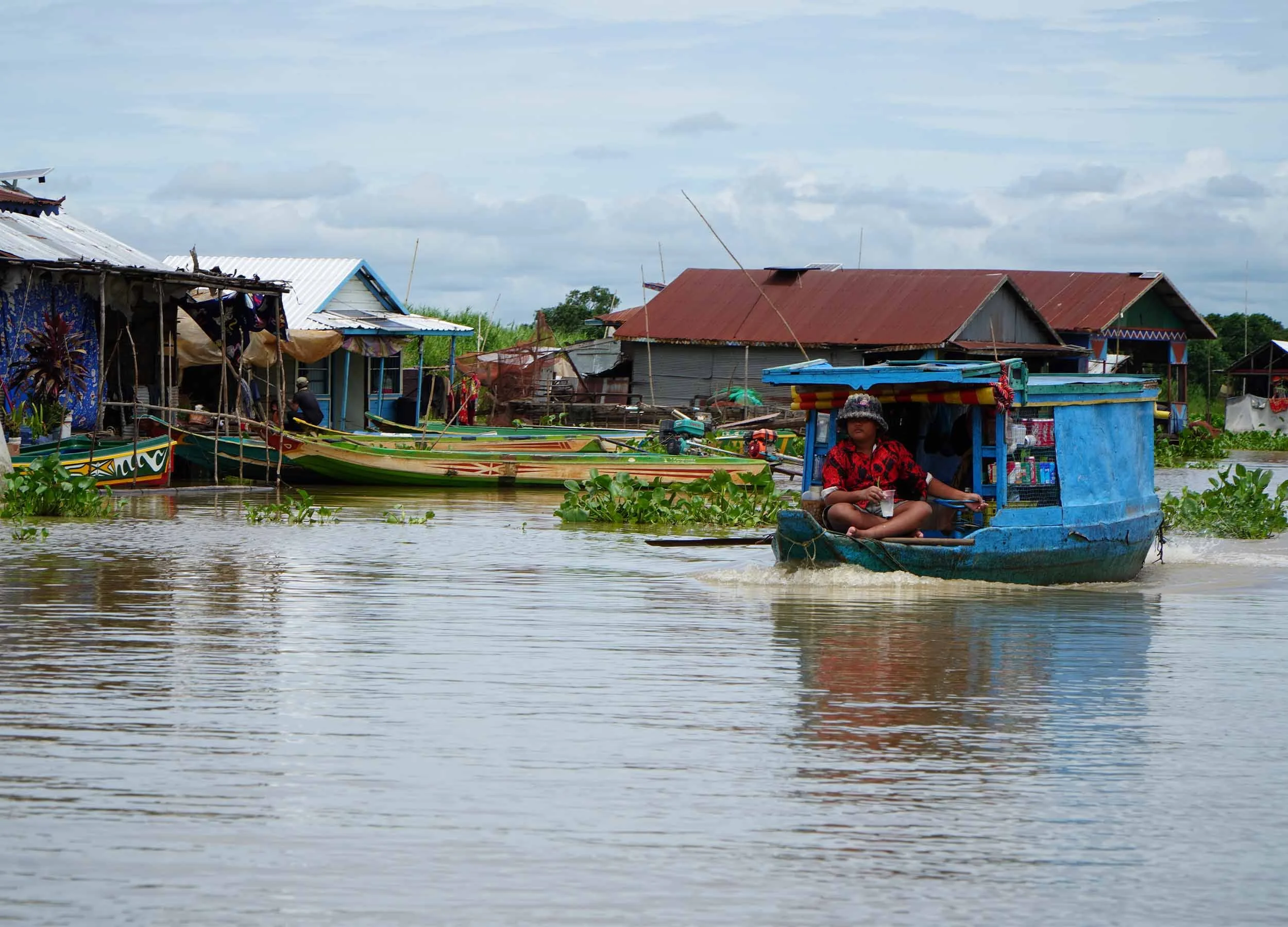
Goods or Products : Think about how those goods or products got here. The products that are imported from neighboring countries or overseas are more expensive and they contribute more to the environmental issues. They create carbon dioxide while they are processing them and also on the transportation to be here.
Try not to buy or look for the product that are imported from the long destination or overseas
Support locals and buy local products
Buy only the products that don't affect the environment such as eco-friendly products or recyclable products.
Food and Beverage : To get a meal on the table it contributes to air pollution because of the carbon emitted that happens from the growing, processing and transporting the food. That could be to count your food carbon emission footprint as well.
Knowing the amount of food you need and try not to waste the food. People also tend to indulge more while on vacation.
Always eat local food because this food produces less carbon emission footprint in the atmosphere compared to the imported one.
Plastic Free and waste management : Aware of plastic use and you should be aware that there are millions tons of plastic that end up floating in the ocean now. Following the 3Rs [ Reuse, Reduce and Recycle ] rule to minimize your garbage and to keep the environment clean.
Avoid using single use plastic such as plastic bag, straw, water bottles and others
Minimise your trash and always keep them in the trash bean properly and clean
Using refill water bottle instead of single use plastic bottle
Avoid using plastic cups or styrofoam when you are traveling.
Bring your own cups, straw or bamboo straw plates with you if it is possible. [ think about something that is recyclable or reusable.
Never throw or leave the trash at the visiting site or the community that you are visiting.
Support or buying recycled products or the products that could become composed easily.
Tour Activities or Service : Tour operators or hotels should be carefully chosen in your travel as well. There are some tour operators or hotels that care about the environment and some tour operators don’t. This can be seen through their mission and commitment in their regular operation.
Always look for the tour operator that offers environmentally friendly activities such as cycling activity, activity with shared transportation or other tour activities that promote environmental protection.
Think about the activity that makes more benefit than harmfulness to the community or environment.
Choosing hotels that care about water consumption, food waste or having a food composing process and practicing recycle or reuse model in their regular operation.
For the Community
Respectful: Learn and practice politeness and respect the community that we are visiting.
Learn the local language and practice local greetings by saying Hello and Goodbye to the family that we are visiting.
We respect local living, beliefs and value local all skills and expertise.
Culture: Respect local culture, and traditions. Just keep in mind that we are the travelers who come to learn about the locals.
Be aware that all cultures are important and those should be valued
Love and care about the local culture as you love and care about your culture.
Try not to assume what you see here are the same at home
Participate in local culture
Community compensation and support: Tourism plays an important role in community well-being. Our aim is to help contribute to growth in the community.
Always support or buy products from local in the community
Always appreciate and thank the family that gives us the opportunity to visit and learn.
Always leave some compensation for the family that we are visit
Host and Visitor: We want to make sure that we only make a positive impact for the community that we are visiting so
We have to be aware that we are visitors who come here to learn so be open-minded.
The local community is not the tourism product. Never treat the community as they are serving us because they don't work for us instead we are asking permission from them to visit their home or community.
Always ask before taking pictures
Don’t touch or entering any places at the host family without permission
Never play with kid or animals at the host family [ Cat or Dog ]
Making Assumption: making assumption could be a risk for travelers in the different cultures and lifestyles. If we are new comers in the community, we might not have enough knowledge about what we see in that area. Be a learner and also ask questions when you are curious about something.
Dressing: It is important for you to wear something that makes you feel comfortable while you are traveling, however dressing could be disrespectful if you are visiting the community that you don't know about their culture.
Be aware that we are going to visit the local community. This visit could be a pagoda as well so you should always ask your leader what to wear
Dress up properly such as wearing long sleeves or you can wear a T-shirt that covers your shoulders.
You can wear a short pan but at least you cover your knees if you are biking.