Battambang: Cambodia’s Art Culture Destination
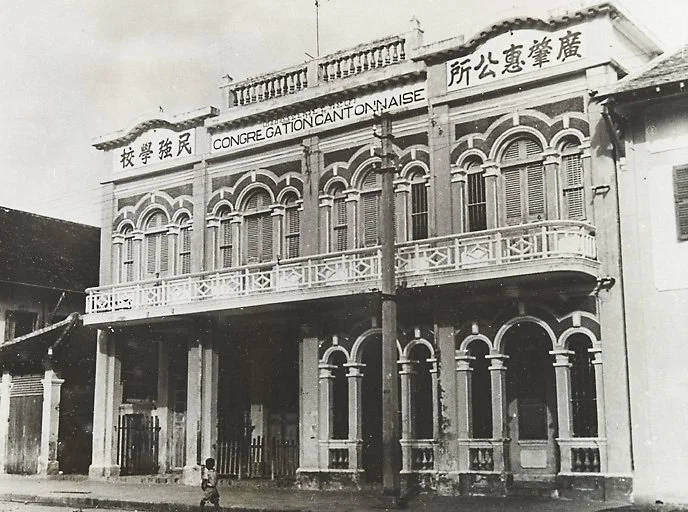
A Chinese school building in Battambang. Photo by Service Ciné Photo (Bureau presse information)
Battambang has always been an art hub. Geographically, Battambang is located at a central trading crossroads. A rich fusion of Khmer, Cham, Chinese (Teochew), Siamese, and Western influences gave the city a unique regional art form unlike anywhere else. Because of its commercial significance, Battambangers invested heavily in cultural expression. This devotion is clearly visible in the decorative arts and architectural design found on every building—from everyday homes to sacred pagodas. Historically, this community support actively encouraged artists to thrive and inspired new generations to pursue creative careers.
When the Khmer Rouge regime collapsed in 1979, Pol Pot and his troops fled Phnom Penh and established bases along the Cambodia-Thailand border. The war continued until 1998.
During this tumultuous period, the United Nations set up refugee camps on the Thai border, where thousands of Cambodians fled for safety. Among them were artists, dancers, and musicians who had survived the Killing Fields. Under UN protection, residents found safety and a better quality of life compared to those inside the country. The surviving artists immediately began working to preserve their creative heritage—from drawing and music to classical dance—traditions that risked being lost forever after so many master artists were killed by the Khmer Rouge.
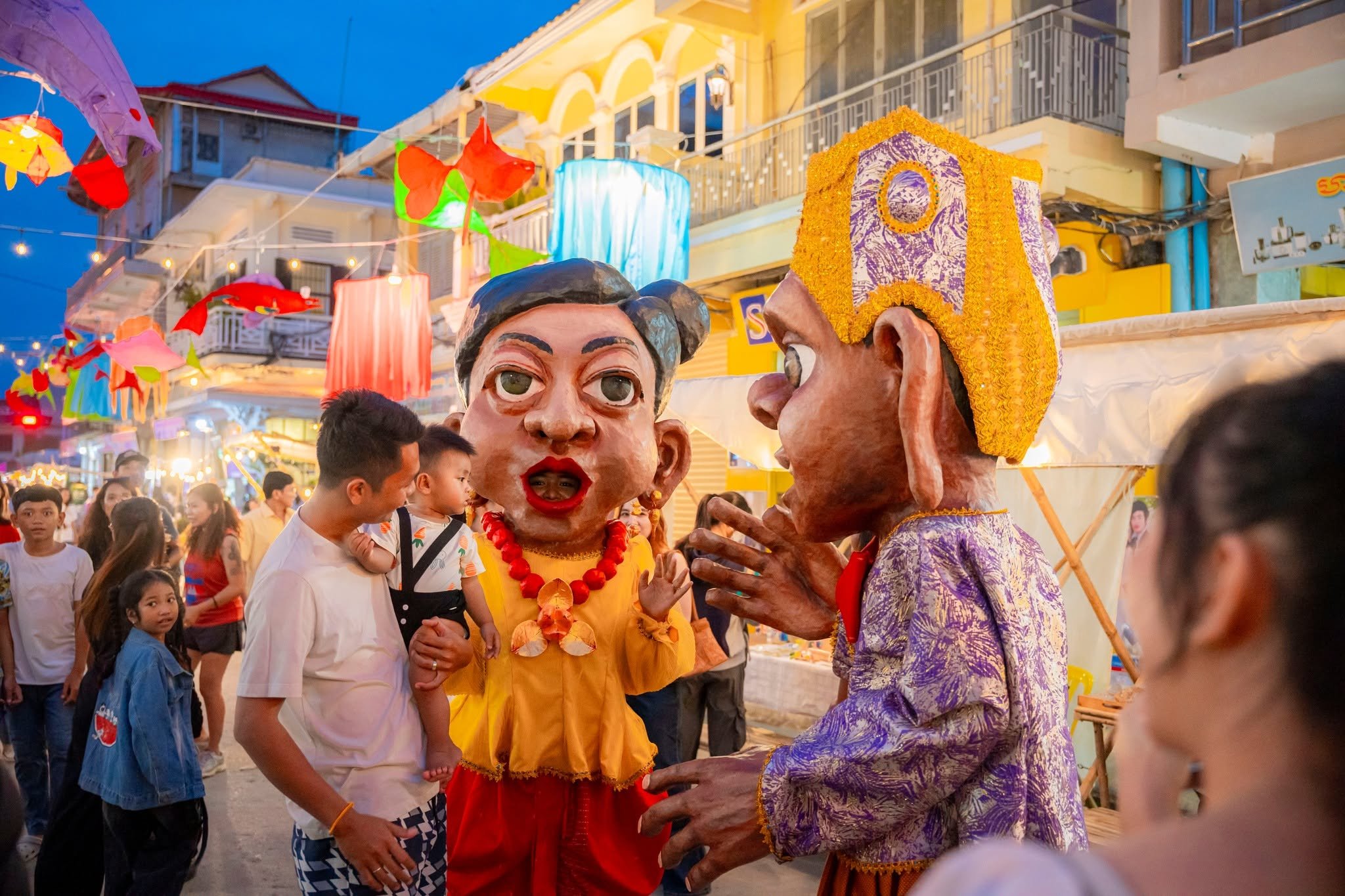
S’ar Urban Art Festival 2025, Photo from S’art Facebook page
When refugees returned to Cambodia following the UN-hosted national elections in 1993, master artists and young students returned together with a shared mission: to bring all art forms back to their homeland. The revival of art was not merely a way for masters to earn a living; it was a noble mission to restore the artistic spirit of the nation.
An incredible example of this resilience is Classical Master Voan Savay. She originally fled Cambodia during the war to a refugee camp, hoping to resettle in a third country. Everything changed when she and her husband arrived at the Site 2 refugee camp. She chose to stay and teach dance rather than leave. Her famous words capture this spirit:
"My life is an ordinary life. It died and was reborn, but art cannot die." Read Voan Savay full story here
Reviving Cambodian art was a collective effort—from local community leaders and the Ministry of Culture and Fine Arts to dedicated non-governmental organizations. In Battambang, Phare Ponleu Selpak was founded by young artists trained in the refugee camps, aimed at empowering youth through creative opportunities and keeping the artistic flame burning.
A decade later, art galleries began opening across Battambang. Artists graduating from Phare continue to preserve and evolve this creative heritage. Today, Battambang proudly hosts three major art festivals, including a circus arts festival that stands as a unique cultural spectacle in Southeast Asia.
Driven by this deep historical heritage, vibrant creative energy, and unique architectural fusion, Battambang has firmly established itself as Cambodia's premier art destination for travelers around the world.
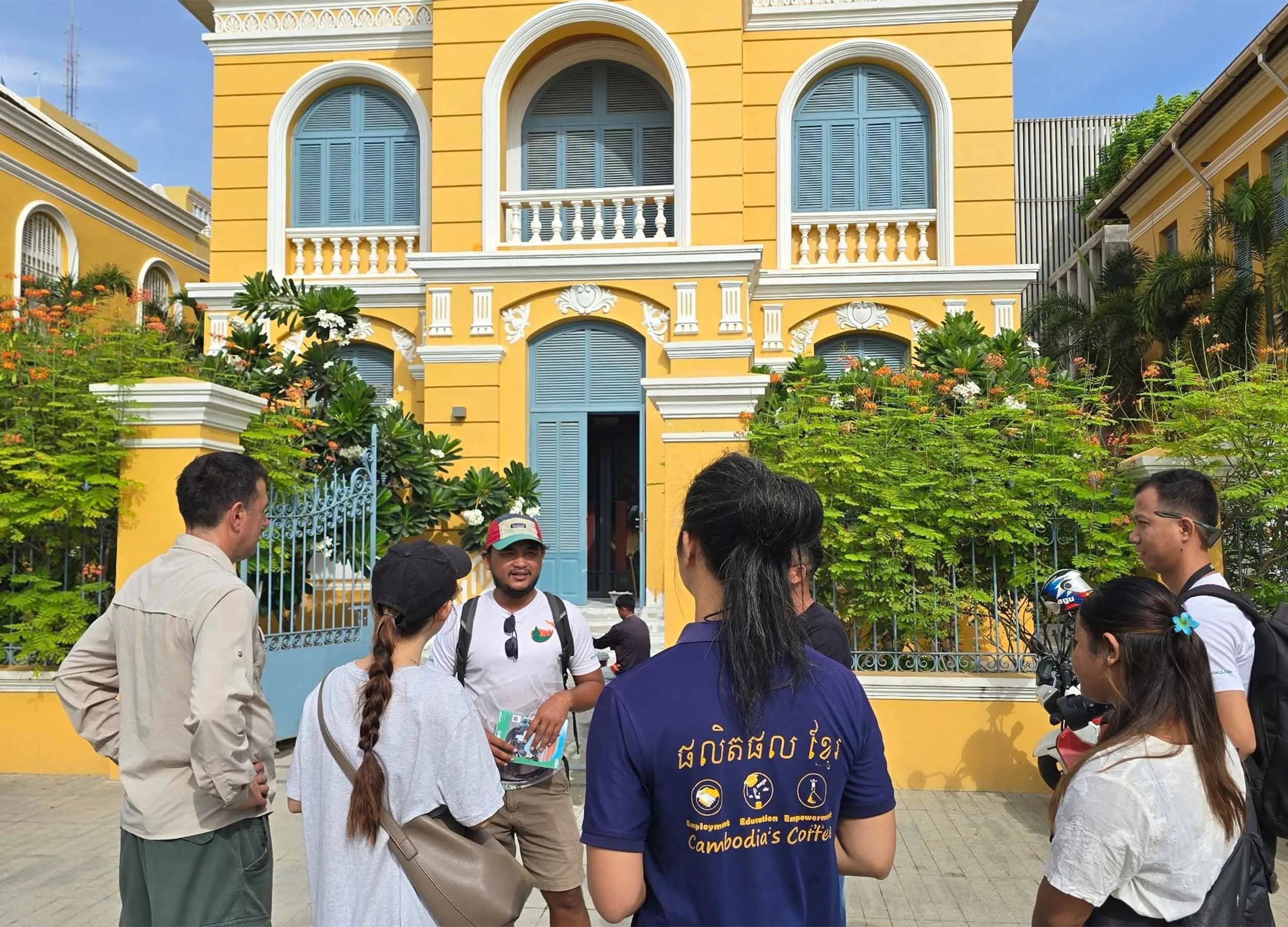
City walk tour
We are offering our Battambang Heritage Walking Tour. This guided experience highlights the historical significance of Battambang while showcasing the vibrant mural art adorning the city's colonial buildings.click here to see info