How Skual Tours Shapes True Experiential Learning
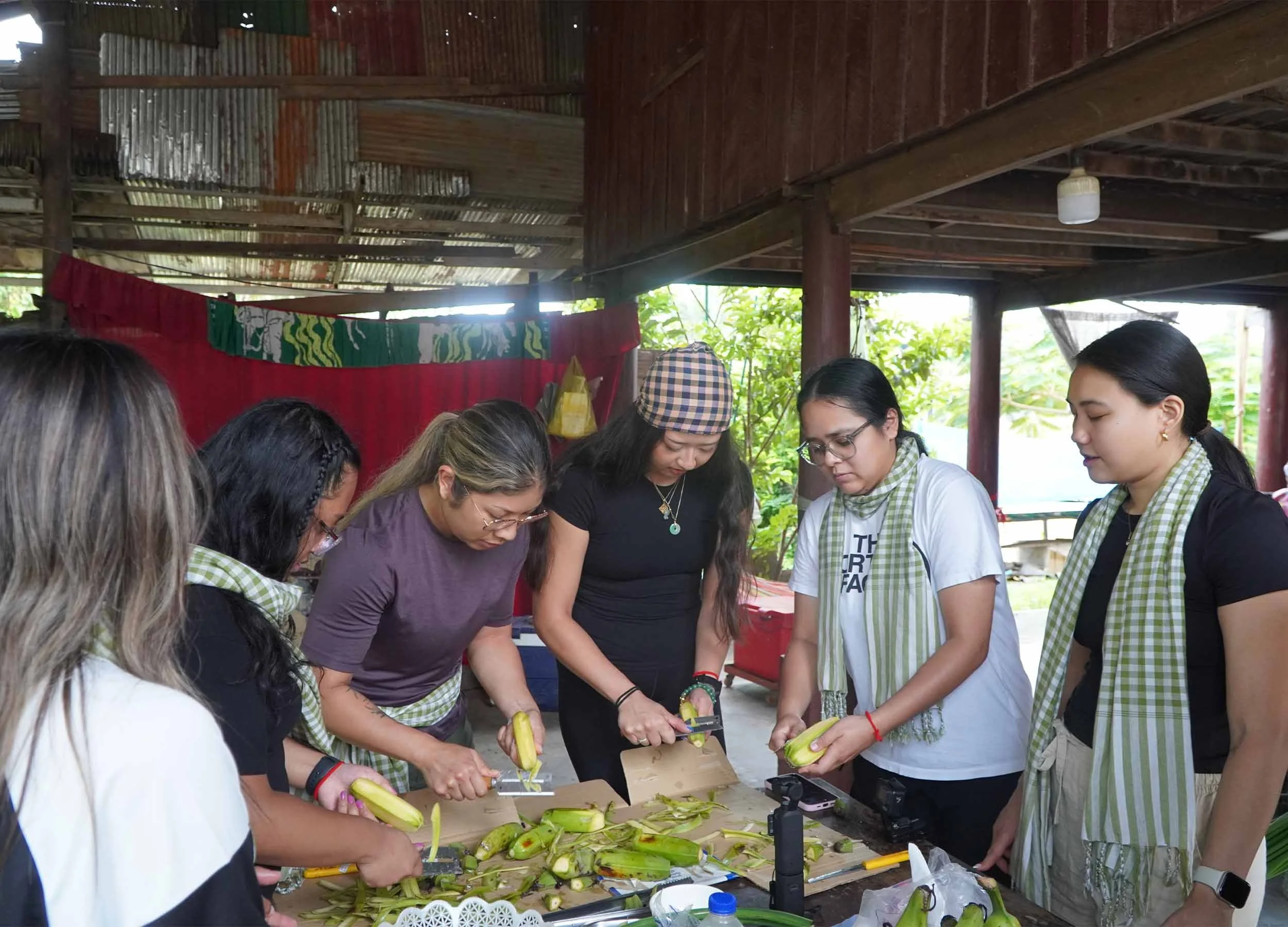
Our guest is participating in fried banana making with local family in Donteav village, Battambang
Traveling to multiple places in a short period of time can spoil your trip. While rushing allows you to see more, your enthusiasm can quickly decrease, leaving you exhausted and unable to truly enjoy the journey. Instead, we recommend traveling slowly, giving yourself the time to enjoy the deep connections you are building with the places and people in your destination.
Skual Tours encourages experiential learning travel. We understand that this travel style requires a clear purpose, high-level facilitation, and intentionally crafted itineraries. We don't just believe that traveling is a learning opportunity; we know exactly which elements are required to transform a standard trip into a genuine learning experience.
What forms an experiential learning trip?
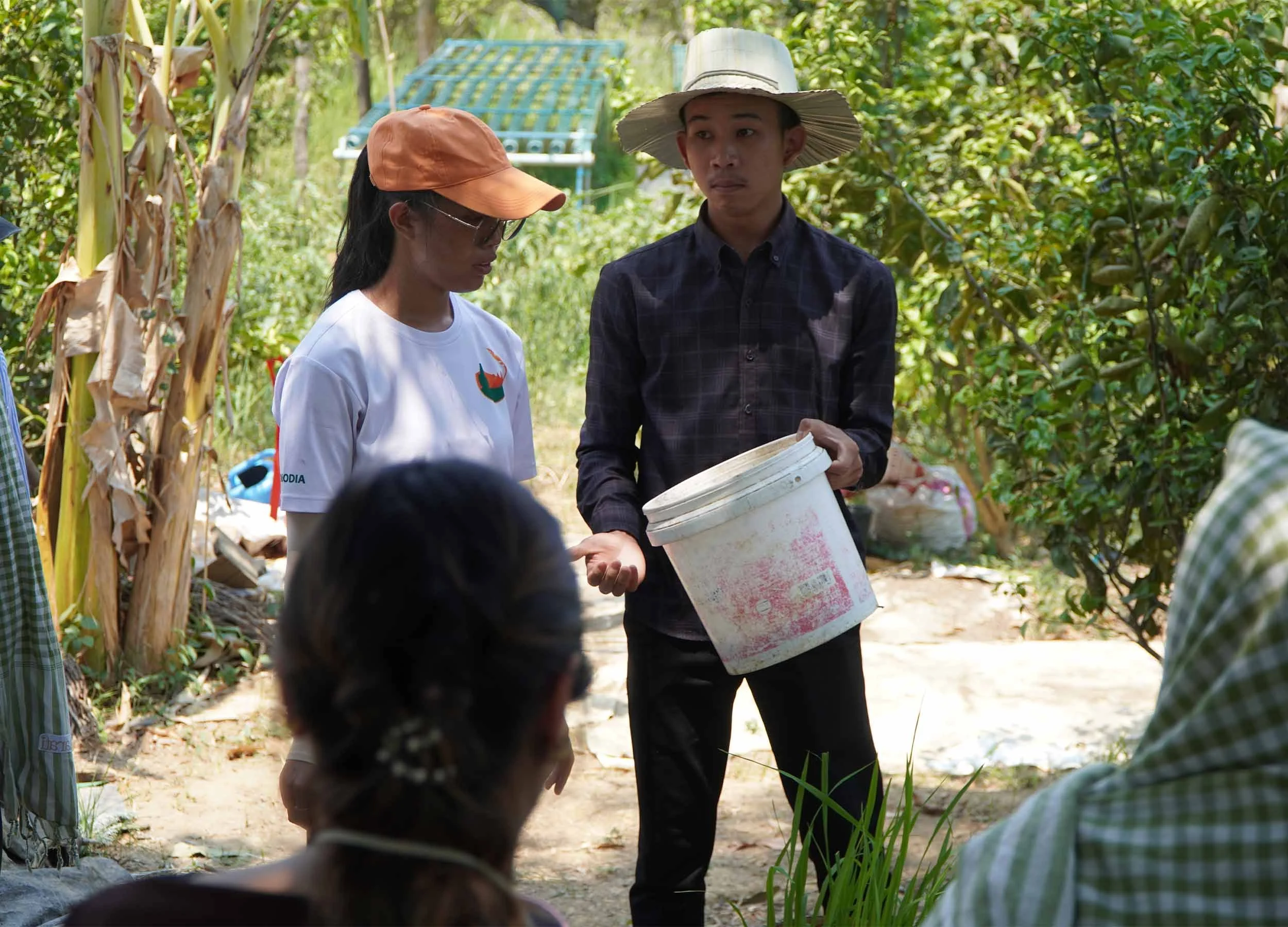
Learning about rice farming, Battambang
Before we share what we believe creates a true experiential learning experience. First, however, we want to dive into what an experiential learning trip actually is, and what is required to make it achievable for travelers.
According to widely accepted definitions in global tourism literature (such as the Journal of Hospitality & Tourism and established travel frameworks), Experiential Travel is a form of tourism where travelers actively and meaningfully engage with a destination's history, people, culture, food, and environment. Rather than passive sightseeing, it requires active participation and structured reflection, transforming an ordinary trip into a path of personal growth and deep cultural understanding.
On top of the definition, our own experience has shown us that the skill of the facilitator and tour operator is equally essential to truly create an experiential learning trip. Without a tour operator's core belief in this philosophy and a carefully crafted, intentional itinerary, the true impact is lost. Furthermore, without competent professionals who can adapt to industry challenges and investigate various approaches and strategies for implementing experiential learning in educational contexts, achieving the full potential of this category of travel becomes incredibly difficult.
This raises an important question: how exactly do we translate this high-level philosophy into reality on the ground? At Skual Tours, we believe that achieving true experiential learning relies entirely on intentionally shaping these important pillars:
1. The Learning Environment
To create an effective learning environment, an experiential trip must follow a specific structure. An experiential learning trip actively engages participants in an activity to gain firsthand experience, which is then reflected upon to personalize takeaways. To achieve this, travelers need:
A Clear Context: A complete understanding of what is going on, with enough time to prepare mentally and physically.
Familiarity and Confidence: Possessing basic skills and the ability to confidently participate in the activity.
Clear Boundaries: A solid understanding of what needs to be done, what is allowed, and what needs to be avoided.
The Right Resources: Having access to the necessary tools and materials to complete the task.
A Sense of Safety: Feeling secure and supported throughout the entire process.
Active Experimentation: A genuine opportunity to participate in hands-on activities and learn directly from the raw, authentic realities of the local environment.
Structured Reflection: Dedicated time and space to reflect, make sense of observations, and translate them into lasting personal growth and shifts in perspective.
Creating this environment requires delivering clear instructions before the activity begins, while giving participants enough time and space to examine their surroundings and ask questions. It is also vital never to force an activity or create pressure; true learning cannot happen under duress.
2. The Group Environment
This is an element that is usually forgotten or doesn't receive enough attention. The group environment refers to the daily interactions and the level of engagement among everyone in the group. If the group dynamic is fragile or fails to operate in an inclusive way, it will negatively impact the experience of every single participant.
It is important to remember that a travel group represents a diverse collection of individuals from different backgrounds, education levels, religious practices, and cultures. Managing this dynamic with sensitivity is key to a successful journey.
3. Community Relationships
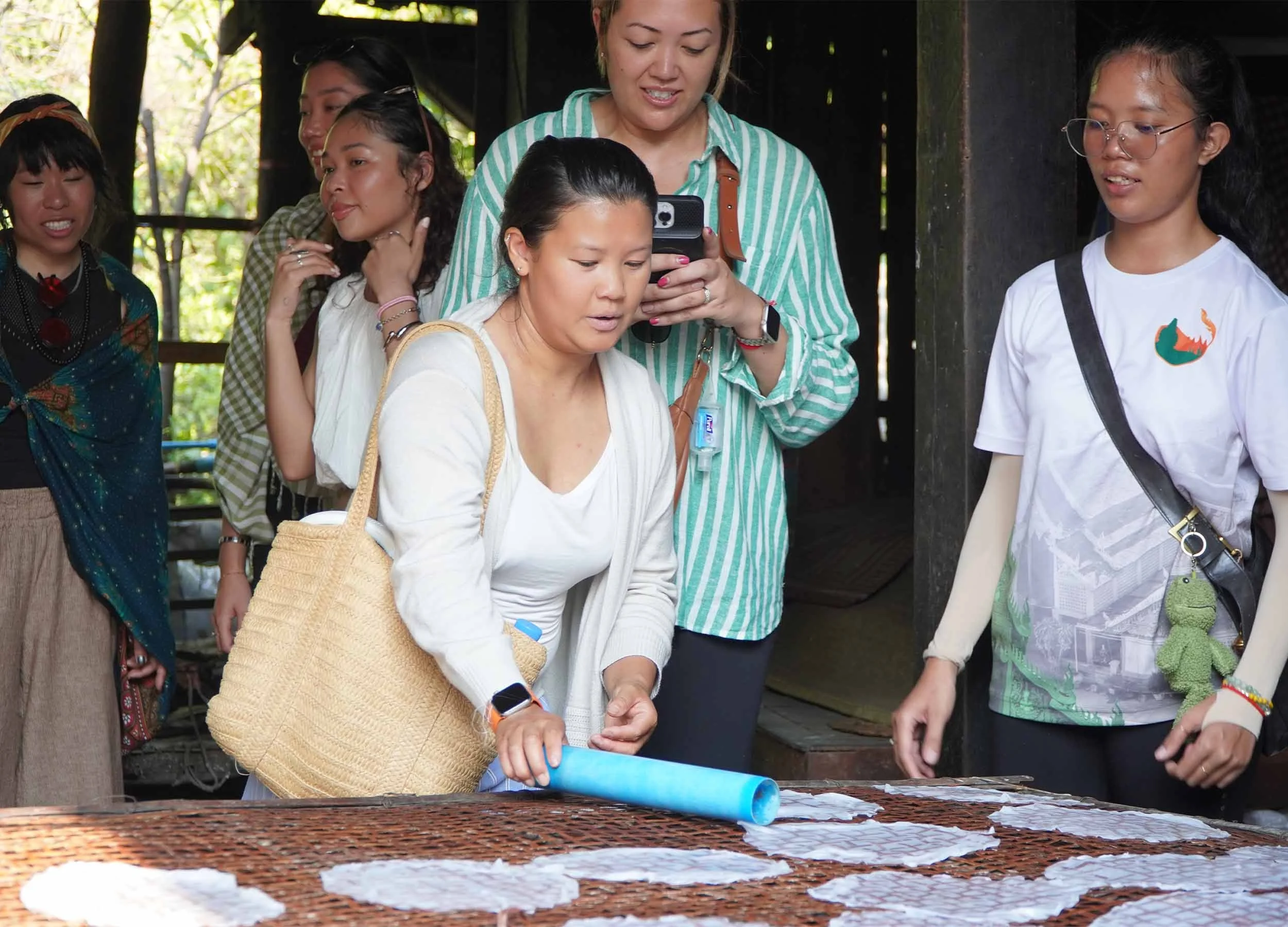
Learning about Rice Paper production, Battambang
The participation of the local community is extremely important. We believe in building strong relationships and partnerships with local communities and local NGOs, which create a huge impact on the results of a learning trip. This process starts with a sense of collaboration with the community rather than seeing them simply as a tourism product. It means building a trusted relationship based on shared values and a clear process of working together.
Building trust by creating clear expectations and concrete terms and conditions with the local community ensures connections and benefits for both sides.
Valuing local expertise as well as creating exchange programs in order to explore the true needs of the community in tourism, while improving local skills and expertise to maximize high standards of quality.
Constantly visiting and celebrating appreciation with the community.
4. Facilitator Skills
Fostering a true learning experience takes more than just a great itinerary; it requires an expert facilitator. Beyond guiding activities and debriefing, a facilitator’s true job is to create a safe, inclusive environment. They do this by providing clear instructions and helping travelers smoothly adapt to both the group and their new surroundings.
To build this secure space, the facilitator establishes clear rules, mutual agreements, and daily routines that keep the group dynamic strong and supportive. They also prepare clear problem-solving tools so that if challenges arise, the group can navigate them together through mutual trust.
Finally, an expert facilitator must understand current societal issues, including racism, sexual orientation, and religious discrimination. Their most vital skill is navigating cross-cultural interactions beautifully, protecting the safety of the travelers while deeply respecting the local communities they visit.
Our Philosophy
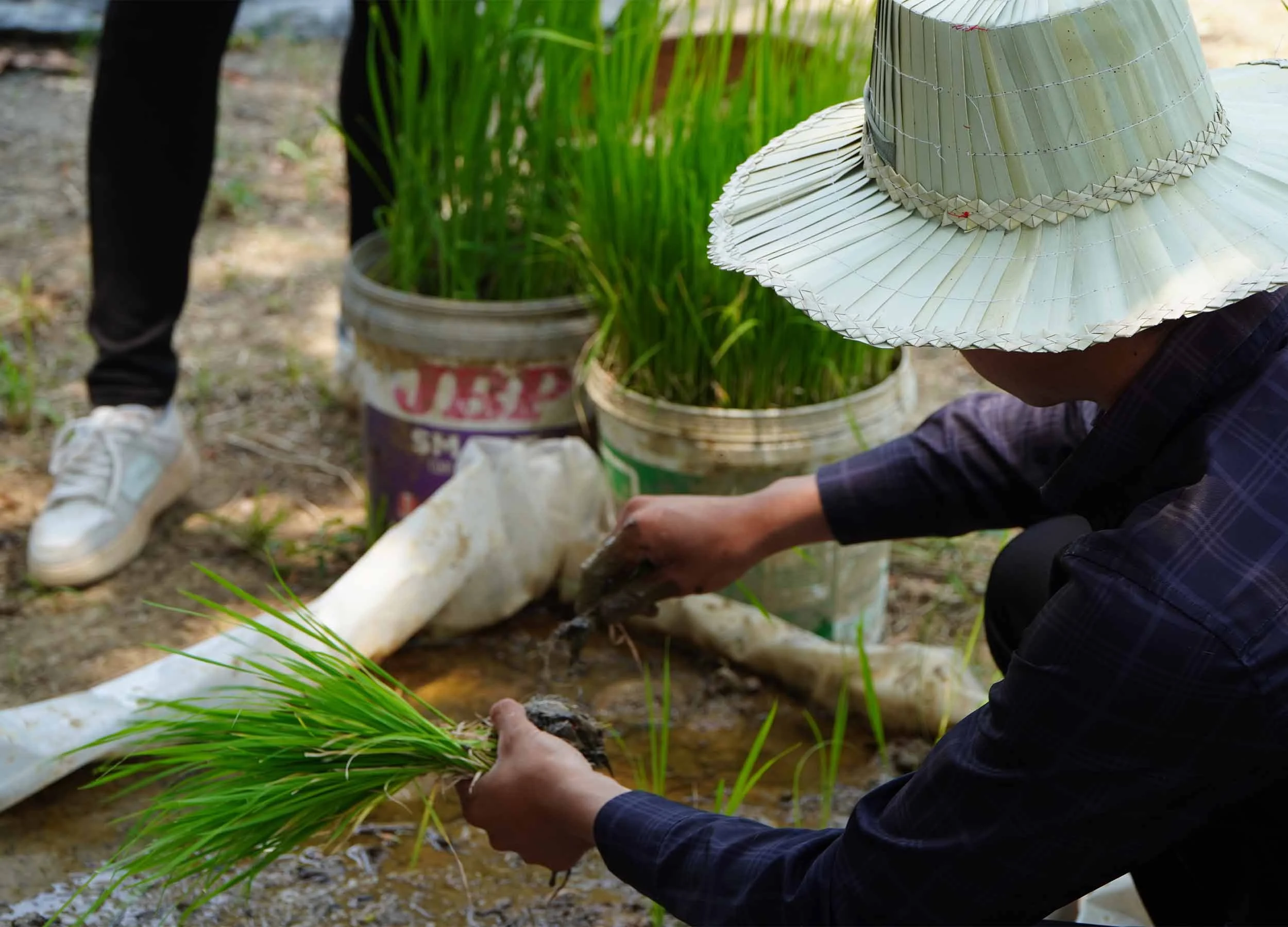
Rice Farming Activity, Battambang
There are many ways to travel, but we didn’t build Skual Tours just to add another standard option to the market. We are here to promote experiential learning, because we believe that traveling without a purpose leaves a massive gap in the experience.
Our goal is to make this meaningful style of travel more accessible in Cambodia. We know exactly how to build a true learning journey. Because of this, we refuse to sell generic travel packages just because they are popular. Instead, every itinerary we create is strictly guided by our core mission and the authentic stories of the destination.
By combining our vision with our on-the-ground expertise, we design journeys that spark personal growth and genuine cultural exchanges, benefiting both our travelers and the local communities we visit.